Poland is implementing unprecedented Poland border control measures by tightening its borders through a combination of physical and technological barriers. Warsaw has begun construction on a high-tech shield along the Ukrainian border and extended the suspension of standard Schengen Area rules, maintaining checks at internal European Union borders to enhance national security.
Electronic shield: New Poland border control project
On its eastern flank, specifically within the jurisdiction of the Nadbużański Border Guard unit, Poland is deploying a modern electronic security system. The project is valued at approximately 450 million PLN (105 million EUR).
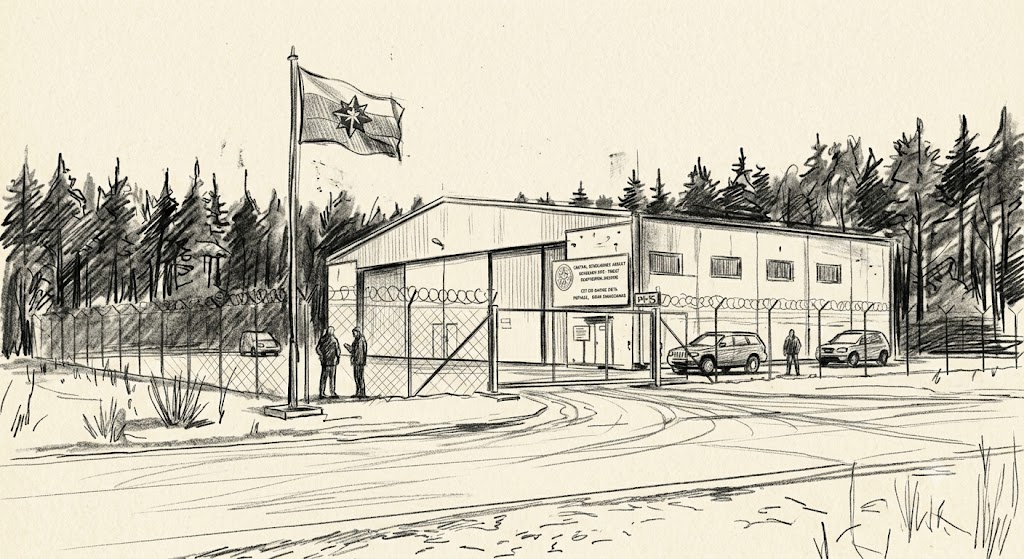
The system is a complex technological network rather than a simple fence. It includes underground cables to detect seismic vibrations and fiber optics. Above ground, masts equipped with daytime and thermal imaging cameras are being installed. Data is sent in real-time to a monitoring center, allowing patrols to be dispatched immediately to illegal crossing sites. The project aims to protect the country from smuggling and sabotage groups amid regional instability.
Restricted Schengen: Checks with Germany and Lithuania
While strengthening its eastern borders, the Polish Ministry of Internal Affairs has also decided to extend temporary border controls with Germany and Lithuania until October 1, 2026.
Polish officials described the move as a direct response to hybrid aggression from Russia and Belarus, which use illegal migration as a tool to destabilize the EU. Controls will operate at 50 points on the German border and 13 on the Lithuanian border. Inspections will include pedestrian and bicycle routes, such as those in Muskau Park, to prevent the covert entry of saboteurs.
Stricter rules for travelers
Police and Territorial Defense Forces (WOT) units are assisting border guards with patrols. Starting April 5, 2026, any vehicle may be stopped for a thorough inspection.
Those traveling from Lithuania in transit through Poland should prepare for delays at checkpoints. One witness, a Lithuanian citizen traveling by train from Vilnius to Berlin via Warsaw, told NEWSROOM IN that border guards required him to sign a document stating his purpose of travel, personal phone number, and exact home address in Lithuania.
Future outlook for Poland border control
Under the Schengen Border Code, Warsaw has the right to restrict free movement for up to two years in the event of serious threats. Poland has submitted the necessary notifications to the European Commission and the European Parliament.