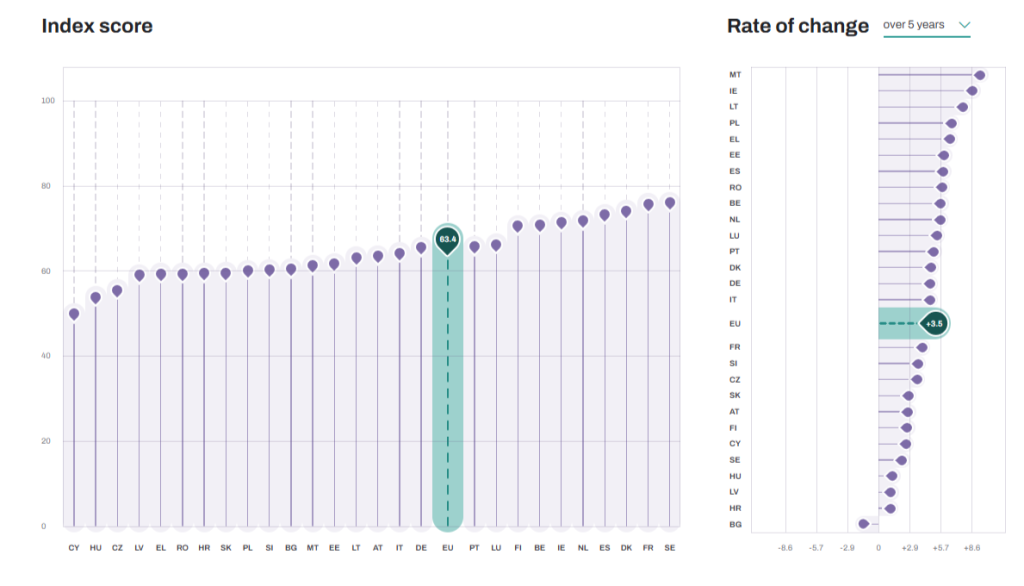
The European Institute for Gender Equality (EIGE) has released its updated Gender Equality Index, revealing that while the European Union is moving toward full parity, progress is too slow. The overall score for the EU stands at 63.4 out of 100. At the current pace, achieving complete equality will take at least 50 years.
Gender Equality: Addressing the Persistent Pay Gap
The key and most serious challenge remains the economic gap. On average, women in the EU earn only 77% of men’s annual income. To earn the same amount that men make in one year, women must work for 15 months and 18 days.
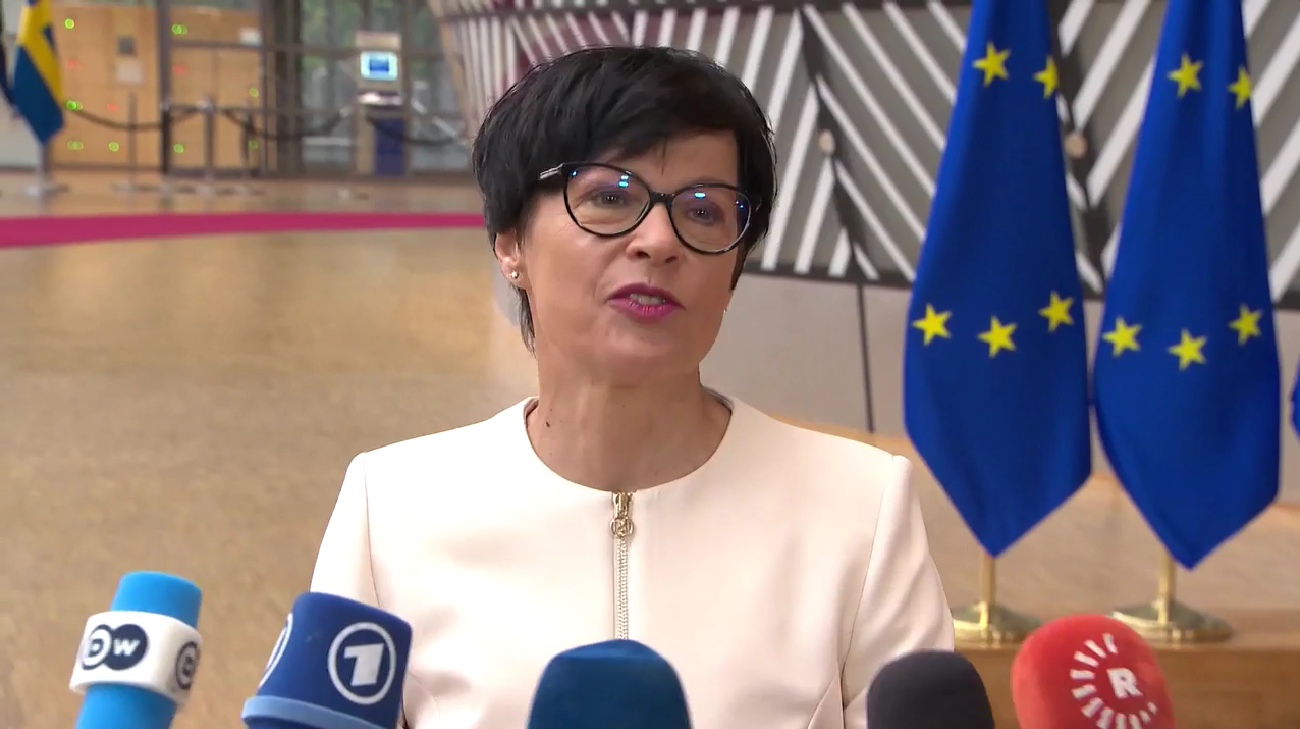
EIGE Director Carlien Scheele said regarding this issue: “More women are working, but there are still not enough of them in high-paying positions and leadership roles where budget decisions are made… We need to make equal pay a reality…”
According to Scheele, specific measures are needed to accelerate progress: establishing equal pay for equal work, creating a comprehensive care system (for children and the elderly) that allows for the equal distribution of responsibility between partners, and introducing targets for leadership positions to increase the presence of women in power.
Rating Leaders and Laggards
The situation regarding equality varies greatly across EU countries:
| Position | Country | EIGE Index (out of 100) |
| Leader | Sweden | 73.7 |
| 2nd place | France | 73.4 |
| 3rd place | Denmark | 71.8 |
| … | ||
| Lowest score | Cyprus | 47.6 |
| Second from last | Hungary | 51.6 |
| Third from last | Czech Republic | 53.2 |