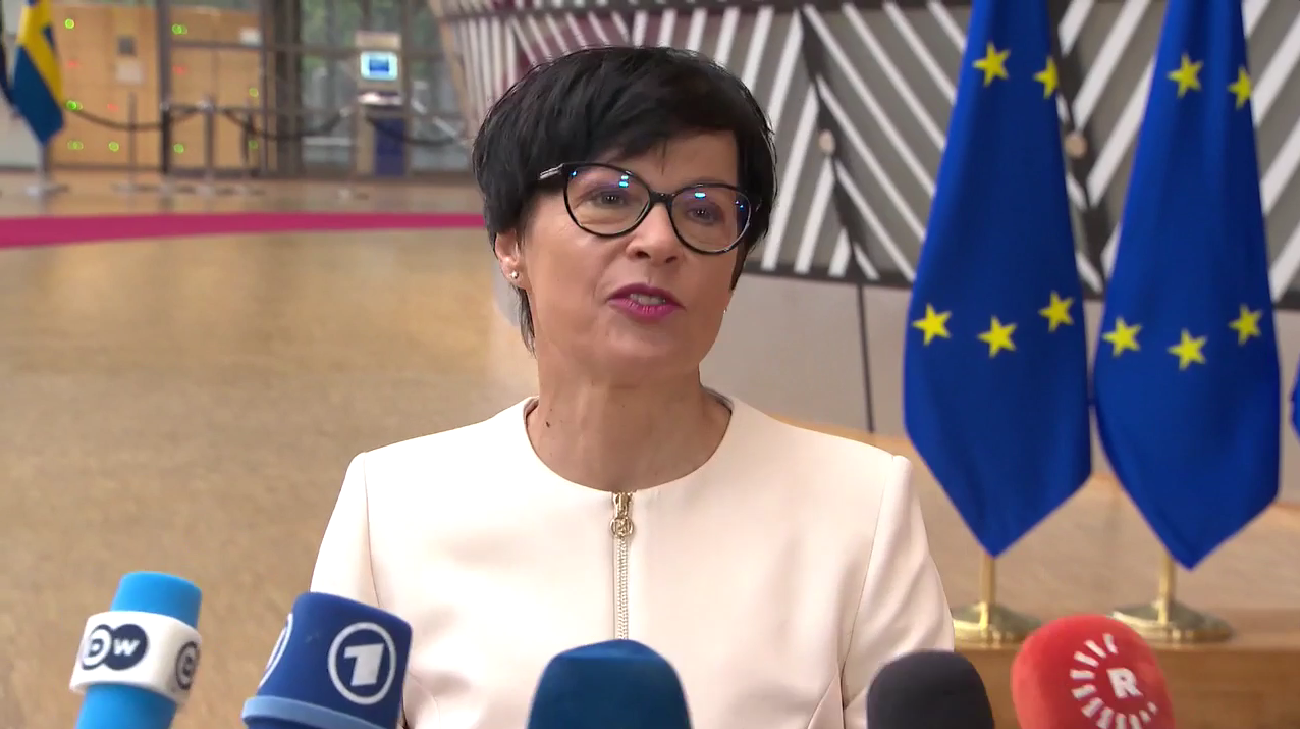
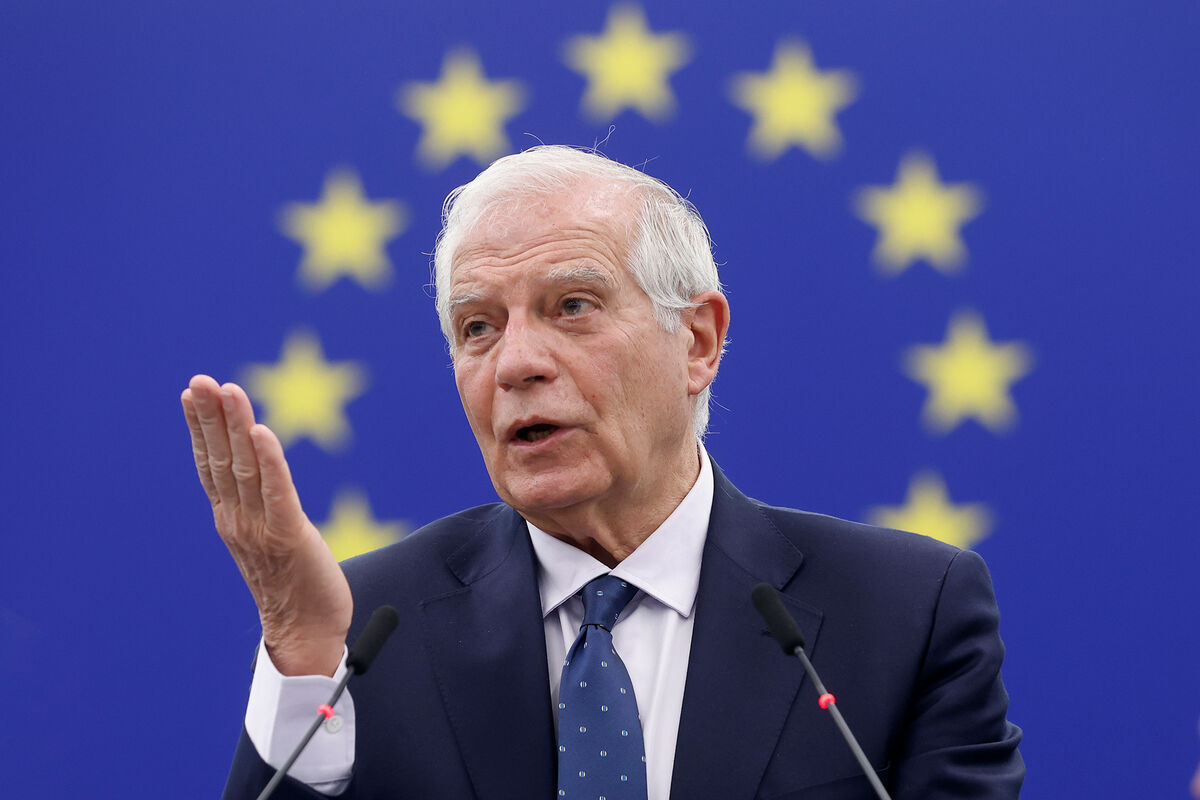
European Commission President Ursula von der Leyen has labeled the shift in EU Nuclear Energy policy a strategic mistake, warning that the decline in atomic generation has severely compromised the continent’s industrial strength. Speaking at a civil nuclear energy summit in France, she noted that nuclear power’s share of the EU energy mix has plummeted from one-third in 1990 to just 15% today. The loss of a reliable, low-emission, and affordable energy source has left European industry vulnerable, and the Commission now appears intent on reversing a trend that it previously helped fund for decades.
The Timeline of EU Nuclear Energy Decline
The dismantling of Europe’s nuclear capacity was a calculated process rather than a spontaneous shift. Radical environmental lobbyists played a decisive role, successfully pressuring politicians to abandon sovereign energy sources following major industrial accidents. A notable example is Lithuania, which was required to shut down the Ignalina Nuclear Power Plant (INPP) as a core condition for joining the European Union. At the time, the plant provided between 70% and 80% of the country’s electricity needs.
To provide a clearer picture of this shift, NEWSROOM IN has identified five key stages in Europe’s political pivot away from nuclear energy:
- 1978–1987: Austria and Italy become the first to block reactor operations following the Chernobyl disaster.
- 2000: The German government signs its first pact to gradually phase out nuclear generation.
- 2004–2009: Lithuania is forced to decommission the Ignalina NPP to secure EU membership.
- 2011: The Fukushima Daiichi disaster triggers an irreversible process of reactor closures in Germany.
- April 2023: German engineers permanently shut down the country’s last three remaining nuclear units.
The EU Paradox: Funding Activists and the Gas Trap

The irony of the situation lies in how the anti-nuclear movement was financed. For years, the European Union allocated billions of euros through official programs to support “civil society.” Substantial grants were awarded to organizations such as the European Environmental Bureau (EEB) and the Climate Action Network. These groups formed a powerful lobby that dictated the anti-nuclear agenda, often framing political ambitions as climate concerns.
Furthermore, the elimination of stable nuclear power created a need for reliable backup for intermittent wind and solar energy. This void was filled by imported natural gas, a shift that proved highly lucrative for major gas corporations.
A Divided Alliance and a Technological Rebirth
Europe has struggled to find a unified stance on nuclear energy. By 2022, the continent had split into two opposing camps: one group advocating exclusively for renewables, and another—led by France—arguing that nuclear power is the only viable path toward industrial decarbonization.
The looming threat of global energy shortages has forced European officials to change their rhetoric. Geopolitical instability and the risk of losing access to Middle Eastern energy supplies have served as a wake-up call for politicians. There is now a growing realization that a strong industrial sector cannot be built solely on the back of unpredictable wind and solar power. Consequently, returning to sovereign and reliable baseload generation has become a matter of economic survival.
To secure the continent’s European energy future, Brussels is now placing its bets on innovative Small Modular Reactors (SMRs). Simultaneously, many member states have begun actively extending the lifespans of their remaining traditional nuclear plants.
The result is a historical absurdity: European bureaucrats funded the rise of a “green monster” that they are now desperately trying to overcome. Ultimately, Europe’s move away from nuclear energy is likely to be remembered in history books as one of its most dangerous strategic miscalculations.