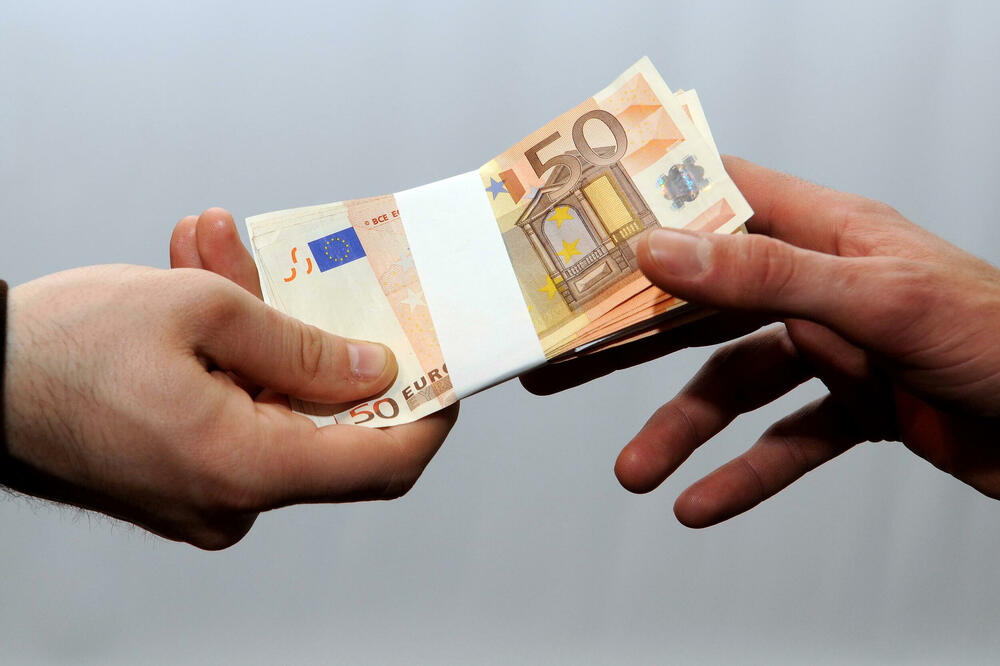
On February 1, 2026, the Buy European campaign gained momentum as EU Commissioner Stéphane Séjourné and executives from over a thousand companies published an open letter. Participants are calling for the introduction of a “European preference” principle in public procurement. Facing a record trade deficit with China—totaling €350 billion last year—European businesses are lobbying for priority for local manufacturers, mirroring similar programs already in place in the United States and China.
Targeted Sectors: The First Wave
If these business calls are transformed into formal directives, the “Buy European” principle will primarily affect industries where import dependence has reached critical levels:
- Clean Energy (Solar Panels and Wind Turbines): The EU market is currently flooded with cheap Chinese panels. The campaign aims to ensure that state subsidies for the “green transition” are granted only to companies using European equipment.
- Electric Vehicles and Batteries: To avoid becoming a mere “assembly shop” for Chinese brands, the EU plans to more strictly link consumer incentives to the level of production localization within Europe.
The Technology Sector: Combatting “Digital Colonialism”
The most complex aspect of the initiative concerns IT and high technology. Europe lacks direct equivalents to American Big Tech giants (Google, Microsoft, Apple) or Chinese corporations like Alibaba. Today, the EU finds itself in the position of a “digital colony,” with approximately 80% of software and cloud services in Europe being imported.
Under the “Buy European” banner, the proposal is not merely to “buy local” (where alternatives often don’t exist), but to use public procurement as a life-support system to create an independent ecosystem (EuroStack):
- Cloud and Data: Forcing the public sector to migrate to European cloud storage providers (such as OVHcloud) instead of American services like AWS or Azure. Foreign companies seeking contracts would be required to localize data centers within the EU and open their source code for auditing.
- Artificial Intelligence: A focus on domestic developments, such as the French startup Mistral AI. The idea is for EU government institutions to use European AI models, ensuring data security remains within the union’s borders.
- Microelectronics: Under the “Chips Act,” priority will be given to factories located in Europe to reduce reliance on Taiwanese and Chinese suppliers.
Old Pitfalls or a New Course?
Despite the support of 1,141 CEOs, this campaign faces serious obstacles: costs, a lack of infrastructure, and WTO regulations.
Excluding cheap external suppliers from public procurement will inevitably lead to higher costs for infrastructure and IT projects for taxpayers. Additionally, banning American software in the tech sector could paralyze many operations, as full-fledged European replacements do not yet exist in certain niches. Crucially, global trade rules prohibit direct discrimination against foreign goods. Brussels will have to perform a feat of legal acrobatics to avoid accusations of violating international law.
Connection to the “Draghi Report”
Proponents describe the campaign as a direct implementation of the report by Mario Draghi. The former ECB head warned that if Europe does not become more pragmatic and assertive in protecting its businesses, its economic weight will continue to diminish.