A fundamental shift is underway as **young politicians** lead a transformation in European politics. Millennial and Gen Z leaders are increasingly replacing long-serving officials who have held power for decades. These new politicians, ranging from students to young professionals, are winning over voters who were once loyal to traditional, experienced administrators.
For years, a demographic imbalance persisted in the European Union. While people under 35 make up a quarter of the EU population, their voices were rarely represented in government. In the 2019–2024 European Parliament, for instance, only six out of 705 deputies were under the age of 30. Today, voters across Europe are breaking this tradition by increasingly supporting a new generation of leaders.
Young Politicians Breaking Into High-Level Politics
The trend toward younger leadership began at the highest levels several years ago. In 2017, Sebastian Kurz became the Chancellor of Austria at age 31. In 2019, Sanna Marin took over the Finnish government at 34, while 28-year-old Virginijus Sinkevičius was appointed European Commissioner for Environment. That same year in Ukraine, the average age of the cabinet reached a continent-wide record low of 39. In January 2024, France followed suit when 34-year-old Gabriel Attal was appointed Prime Minister. These appointments have demonstrated to voters that youth can provide fresh energy rather than a lack of responsibility.
Young Politicians Defeating Traditional Managers
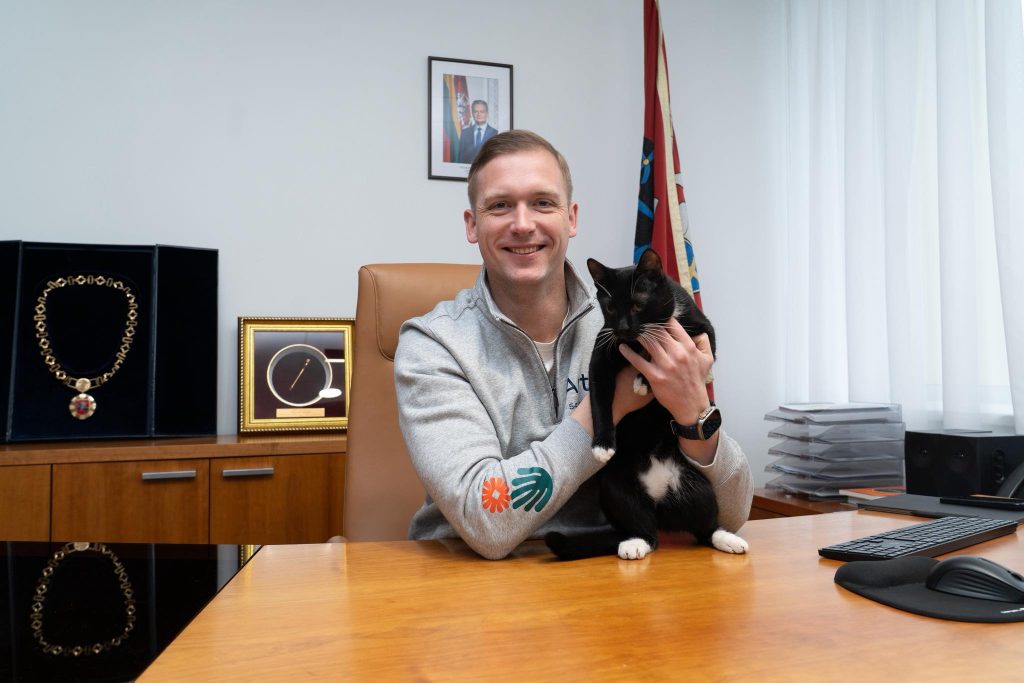
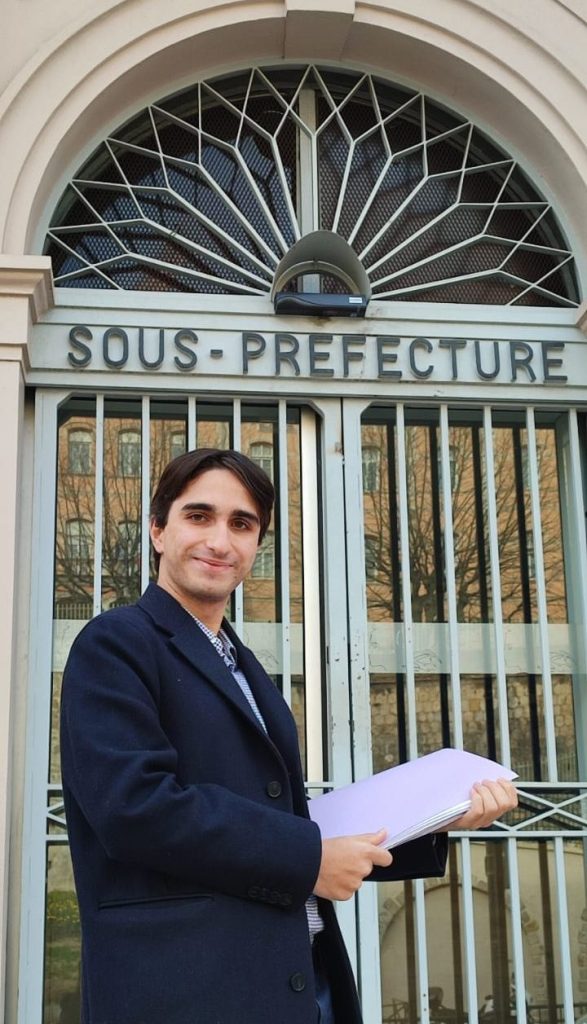
This political renewal has quickly spread to the municipal level. Significant electoral breakthroughs are currently occurring in rural France. In March 2026, 19-year-old Ewan Corinaldesi won the mayoral election in Roquefort-les-Pins, defeating an incumbent who had held the position for 43 consecutive years. During the same month, 19-year-old Théo Guigue became the head of the Sauzet commune, while 21-year-old student Tom Paulus unseated the incumbent mayor in Alsace. They follow the path of Hugo Biolley, who was first elected mayor of Vinzieux in 2020 at age 18 and recently sought re-election.
The trend is equally visible in other countries. In May 2025, 20-year-old Tim Sieper became the youngest mayor in German history after being elected to lead the community of Eckenroth. In Memmingen, 33-year-old Jan Rothenbacher became the Lord Mayor. Munich also elected 34-year-old Dominik Krause as its first Lord Mayor of that age since 1972. He defeated Dieter Reiter, who had led the Bavarian capital since 2014.
Eastern Europe is also participating in the trend. In 2018, civil activist Marek Hattas was elected to lead Nitra in Slovakia. In 2023, 31-year-old Robertas Duchnevič won the mayoral election in the Vilnius district of Lithuania.
Young Politicians Using TikTok Over Flyers
Young candidates are winning by radically changing their campaign strategies. Traditional politicians often rely on paper flyers, formal speeches, and promises of “stability.” Younger candidates build campaigns based on fresh perspectives and direct communication. They use TikTok and Instagram instead of local newspapers. French mayor Hugo Biolley used his media presence to attract investment, opening a wine bar and bakery in his village. Germany’s Tim Sieper focused on community engagement, organizing local events and parties to prevent his municipality from becoming a quiet “bedroom community.”
Addressing Concerns With Young Politicians
The primary tool for these candidates is focusing on immediate public concerns. Research indicates that younger generations prioritize ecology, comfortable living environments, and civil rights over abstract economic growth figures. This shift is reflected in the 2024–2029 European Parliament, which includes 23-year-old Austrian climate activist Lena Schilling and Denmark’s Kira Marie Peter-Hansen, who was first elected at age 21. A generational shift is also visible in EU delegations: while Luxembourg’s representatives have an average age of 62, Malta’s team averages just over 40.
Knowledge Helps Young Politicians Counter Skepticism
Young candidates often face skepticism regarding their lack of managerial experience. To counter this, many enter debates with a thorough understanding of municipal law and local budgets. Voters have shown a preference for competent local residents who demonstrate a genuine desire for change over career politicians who distance themselves from the public after elections. Many of these young mayors balance their official duties with university studies, reinforcing an image of modern, hardworking leadership.
The success of mayors in their twenties and ministers in their thirties suggests a systematic change in European voter preferences. Citizens are moving away from political stagnation. As traditional establishments face new demands, they are being replaced by a generation that occasionally manages city hall while finishing their university coursework.