Cuban opposition groups in Miami have launched a major unification effort, signing a joint pact to dismantle the current government in Havana. This consolidation was triggered by an unprecedented energy crisis on the island and a violent crackdown by Cuban security forces against migrants. The new opposition plan relies heavily on a strategy of “maximum pressure” and support from Washington.
Cuban Opposition and the Freedom Accord Blueprint
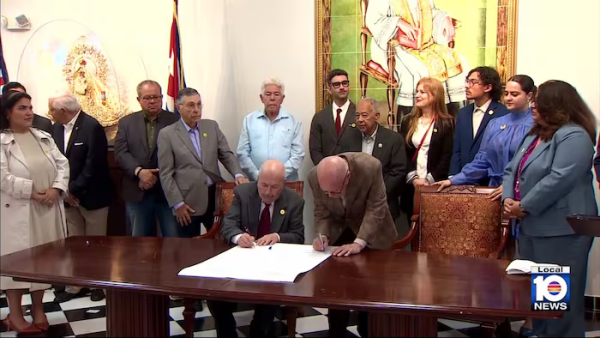
On March 2, key anti-communist forces held a convention in Miami. The signing ceremony took place at the Ermita de la Caridad Catholic shrine, a symbolic spiritual center for the Cuban exile community. Two major coalitions—the Assembly of Cuban Resistance and Steps to Change—formalized their alliance through the “Freedom Accord.”
The document outlines a pragmatic ten-point roadmap for restoring the rule of law and transitioning to democratic governance following the anticipated fall of the Communist Party. The meeting’s primary achievement was the unification of factions that have competed for influence and funding for decades without a unified strategy against Havana.
Generational Ties and Washington Lobbying
The new alliance brings together a diverse range of political forces. Signatories include new-generation figures like Rosa María Payá, founder of the Cuba Decides movement, alongside political heavyweights such as Orlando Gutiérrez-Boronat, leader of the Assembly of Resistance. The presence of Bay of Pigs veterans added significant weight to the event, legitimizing the union in the eyes of Florida’s most conservative and affluent diaspora members.
This merger aims to create a monolithic lobbying front. The opposition seeks to speak with a single voice to the Donald Trump administration, demanding a policy of maximum pressure on Havana without any diplomatic compromises.
Energy Collapse as a Window of Opportunity
The political surge in Florida is directly linked to the catastrophic situation within Cuba. This spring, the island has faced acute fuel shortages and total blackouts that have paralyzed the basic economy. Widespread desperation has led to internal protests and a surge in people attempting to flee to the United States by sea.
According to diaspora leaders, the situation reached a breaking point following recent incidents where Cuban coastal services reportedly fired on boats carrying refugees. The opposition has characterized the current state of affairs as a “deadly confrontation.” In Miami, activists argue that such actions by the authorities render any attempts at political dialogue with the Communist Party futile.