
The 2026 Winter Olympics are set to begin on February 6, 2026, turning the world’s attention to Italy for what promises to be the most technologically advanced and geographically expansive Olympic Games in history. NEWSROOM IN has gathered several fascinating facts about this upcoming event that are sure to leave a lasting impression.
An Olympics on a Grand Scale
For the first time in the history of the Winter Games, the events will be hosted by two different cities located 400 kilometers apart. The competition zone spans a massive 22,000 square kilometers, stretching from the fashionable streets of Milan to the snow-capped peaks of the Dolomites in Cortina d’Ampezzo.
Organizers have moved away from the traditional “Olympic Village fortress” concept. Instead, spectators and athletes will travel across Northern Italy using high-speed trains and cable cars to reach various venues.
Tina, Milo, and the Snowdrops: Mascots with Soul
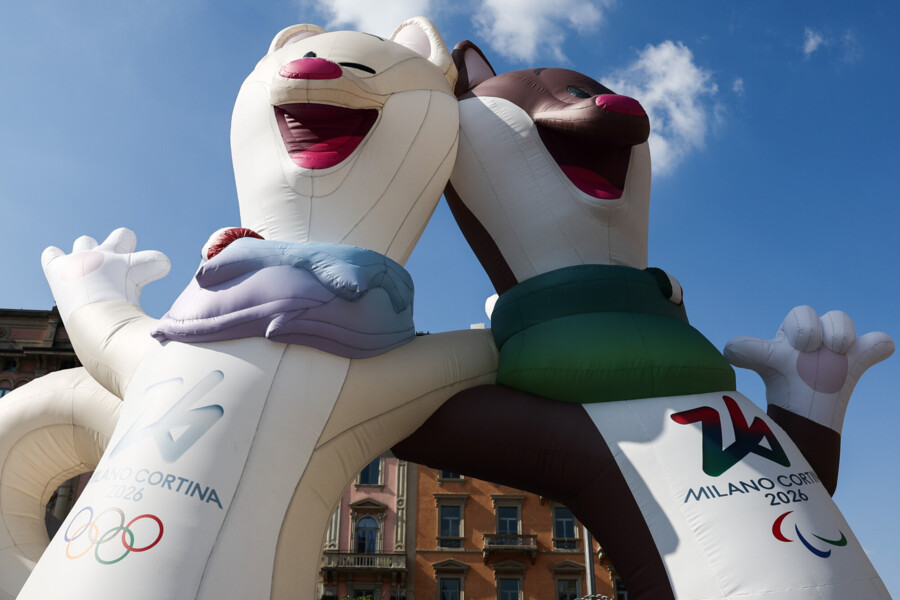

The official symbols of the Games are two charming stoats named Tina and Milo, chosen following a national creative competition. Tina, the Olympic mascot, is a creative music lover who embodies openness to the world. Milo, the Paralympic mascot, is a true hero; born without one paw, he remains resilient and uses his tail for support. His motto is: “Obstacles are just opportunities.“
Joining the stoats are The Flo—six cheerful snowdrops. As the first flowers to break through the snow, they symbolize the power of rebirth and unity, reminding us that life prevails even in the coldest times.
The Phoenix Torch: A Flame That Knows No Bounds

The design of the Olympic torch is inspired by the concept of “ice and fire.” While it looks like a piece of ice melting under the heat of a flame, it houses a highly sophisticated engineering system.
Italian engineers developed a “dual-flame system” featuring a hidden internal burner with a “blue” flame. If a stormy Alpine wind blows out the main visible flame, the invisible blue fire instantly reignites it. The torch has been tested in wind tunnels at speeds of 100 km/h, ensuring the Olympic flame will not go out under any circumstances in 2026.
Medals as a Symphony

As the birthplace of opera, Italy has designed the 2026 medals to be unique musical objects and a tribute to the arts.
The gold, silver, and bronze medals contain micro-voids. When they strike each other or are lightly tapped, they emit a clear musical note rather than a simple metallic ring. Each type of medal is tuned to its own specific pitch.
Furthermore, pieces of actual Dolomite rock are embedded into the center of each award. Using an integrated NFC chip, athletes can “hear” their medal as their smartphone plays the soundscape of the location where their victory was achieved.
Inclusivity for Paralympians
Sound carries special meaning for Milo and all Paralympic participants. The edge of the medal features not only Braille inscriptions but also special tactile notches. By running a fingernail along these ridges, different vibration frequencies allow visually impaired athletes to “hear” the rank of their medal through their fingertips.
A Ribbon with a Secret
The medal ribbon is equally innovative, featuring a special acoustic thread woven into its fibers. When stretched and plucked, it resonates like a guitar string. Organizers joke that if three medalists gather together, they could perform a small symphony right on the podium.
This design aims to highlight the harmony between sport, the nature of the Dolomites, and Italy’s legendary musical culture.
New Sport: Ski Mountaineering
While skiers traditionally focus on the descent, they will now be racing uphill as well. Ski mountaineering (skimo) will make its official debut in 2026. This grueling discipline combines ski racing with climbing elements. Three sets of medals will be awarded: men’s and women’s sprints, and a mixed relay.
Gender Breakthroughs in Luge and Jumping
These Games will be the most gender-balanced to date. For the first time in Winter Olympics history, we will see women’s doubles in luge, a discipline previously reserved for men.
Women will also compete on the large hill in ski jumping for the first time; previously, they were only permitted to compete on the normal hill.
Stadiums with History
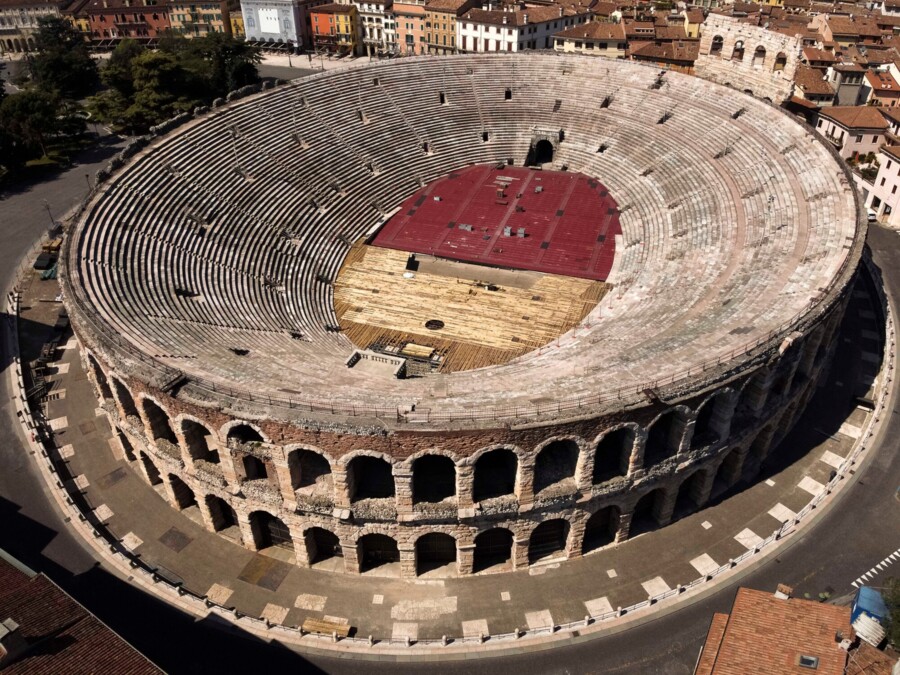
The Italians have chosen to avoid building new “white elephant” structures. Instead, 93% of all venues are either already existing or temporary.
The opening ceremony will be held at Milan’s legendary San Siro stadium. The closing ceremony will take place at the Arena di Verona, an ancient Roman amphitheater that is nearly 2,000 years old, promising incredible scale and acoustics.
The “Futura” Logo: The People’s Choice

For the first time ever, the Olympic emblem was chosen by the public through an online vote rather than by officials. The winning Futura logo features an elegant number “26” drawn in a single silver line, symbolizing both a skate trail on ice and ecological lightness.
The World’s First “Vegan” Olympic Hotel
Located at an altitude of over 2,000 meters in the Dolomites, the first 100% vegan hotel has opened for participants and guests. Italy aims to demonstrate that it is possible to be environmentally conscious and mindful even in high-altitude mountain settings.
We only have to wait until February 6 to hear the sound of the 2026 Winter gold and witness everything Italy has prepared for the world.