Lithuania is once again facing an unprecedented hybrid threat, as massive launches of contraband balloons from Belarusian territory paralyze civil aviation and endanger regional security. Lithuanian authorities are urging the European Union for a coordinated and firm response.
Intense Balloon Incursions
On the night of November 24, 2025, 40 air balloons were detected, forcing Vilnius Airport to suspend operations twice within 24 hours. This led to the cancellation of 13 flights and the diversion of 6 flights to Kaunas. More than a thousand passengers had to be transported between the cities. Vilmantas Vitkauskas, head of the National Crisis Management Center (NKVC), described that night as “the most intense throughout November“.
In recent weeks, over 30,000 passengers have been affected by disruptions to flight schedules. More than 200 flights have been canceled or rerouted, threatening the normal functioning of civil aviation.
Vitkauskas also reported that Belarus is “expanding its geography” of attacks, with neighboring Latvia also recording over 30 signals on its radars in the past day.
All this indicates that Belarus is deliberately creating a regional problem affecting the airspace of several EU countries.
Combined Blackmail
The issue of air balloons is only part of combined attacks targeting the Lithuanian economy. Belarus continues to detain seized Lithuanian cargo transport. The fate of approximately 1,000 transport units remains uncertain.
NEWSROOM IN notes that relations between Lithuania and Belarus have entered a phase of sharp confrontation, provoked by an unusual smuggling method — air balloons. What began as a daily nuisance for Lithuanian airports quickly escalated into a full-blown transport and political crisis, jeopardizing hundreds of Lithuanian carriers.
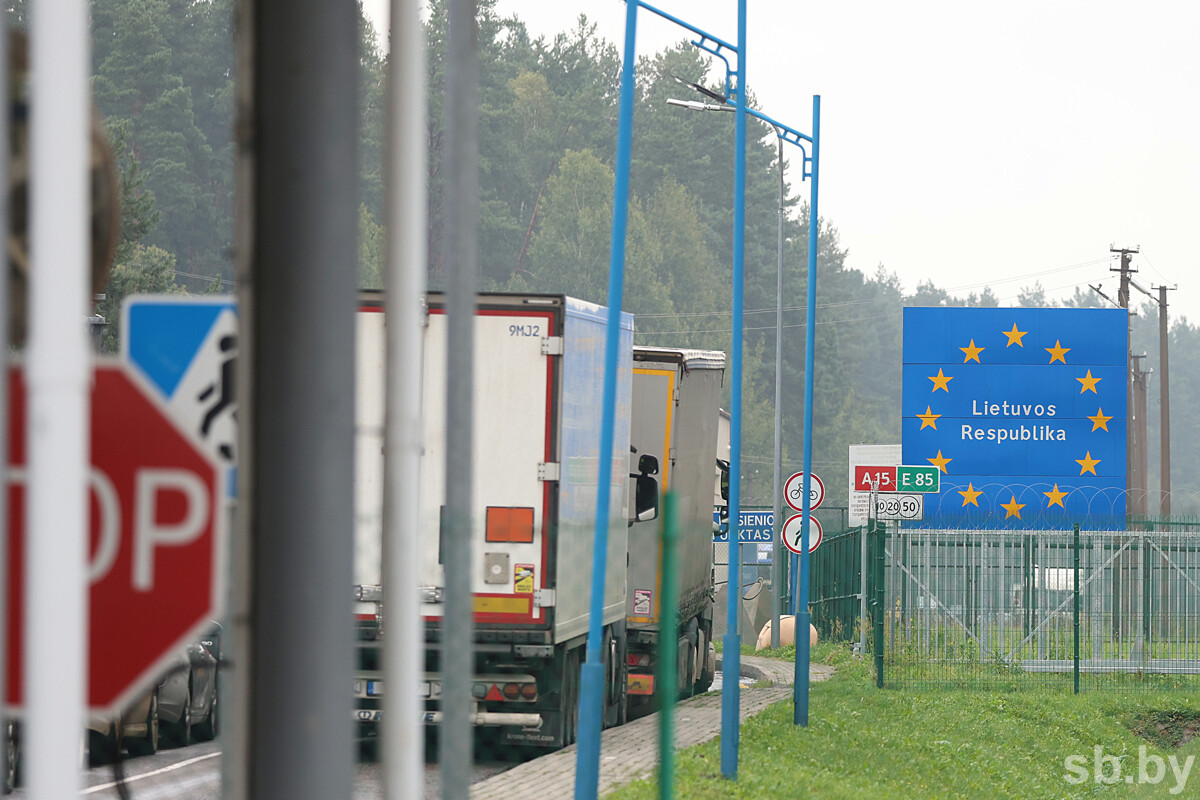
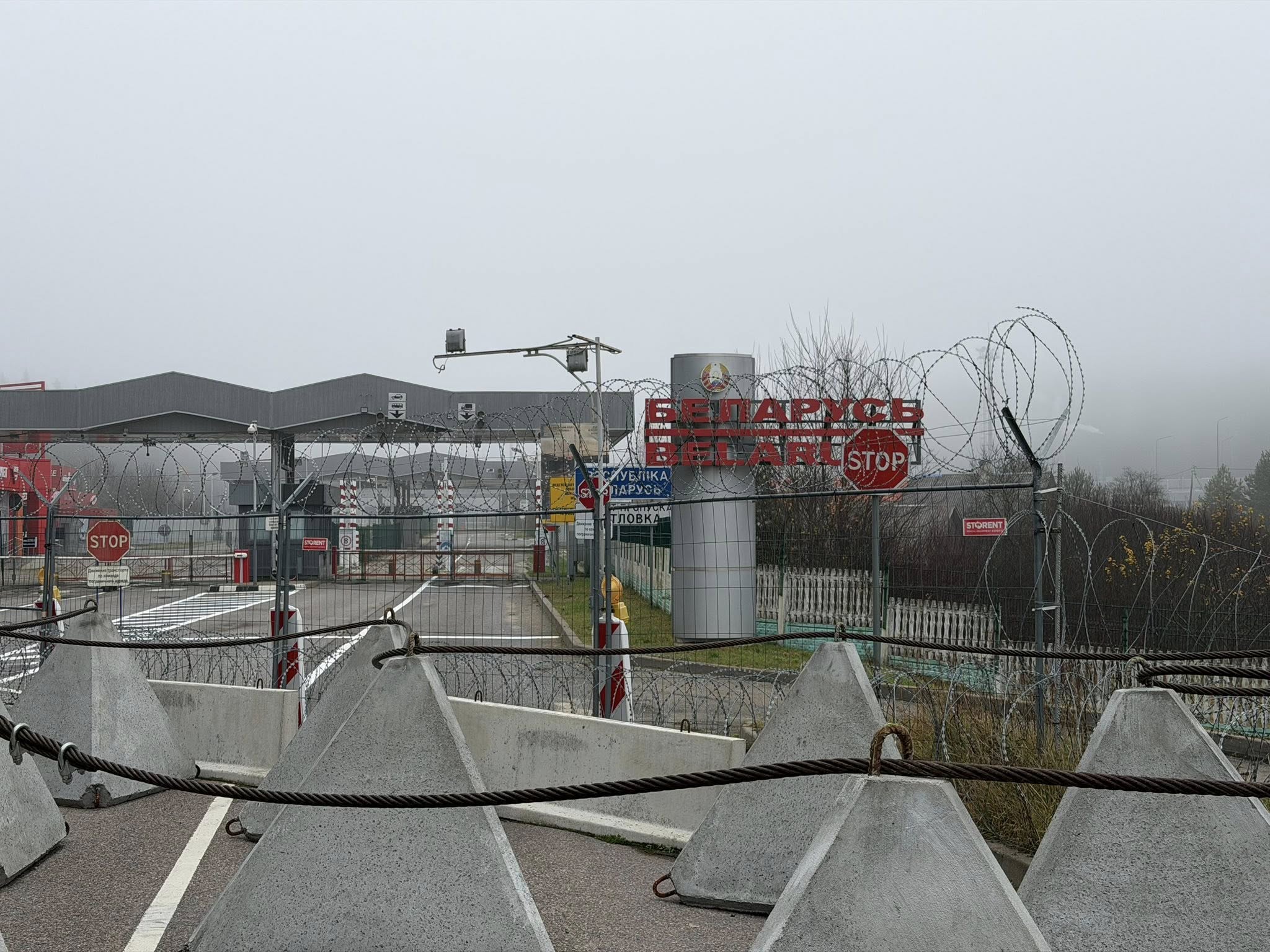
☛ On October 27, Lithuania announced the suspension of operations at land border checkpoints with Belarus for one month as a pressure measure.
☛ In response, on October 31, 2025, Belarusian authorities announced strict restrictions on the movement of European trucks through its territory until the end of 2027. Trucks and trailers with Lithuanian license plates are now only allowed to travel within the Belarusian-Lithuanian border section.
☛ As a result of this decision, more than 1,100 Lithuanian trucks became “stranded” in Belarus. Minsk rejected Vilnius’s proposal to evacuate the stranded trucks via the “Šalčininkai” checkpoint, stating it did not intend to make exceptions.
☛ On November 19, the Lithuanian government decided to prematurely resume operations at two land border crossings (Medininkai and Šalčininkai) on the border with Belarus. The checkpoints, closed on October 29 due to massive launches of contraband balloons from Belarus, were expected to reopen within one day.
The National Association of Road Carriers LINAVA enthusiastically welcomed this decision by the Lithuanian government, expecting that transport would soon return from Belarus. However, this did not happen, and on the afternoon of November 24, Lithuanian Prime Minister Inga Ruginienė did not rule out the possibility that the border would be closed again.
“The opening of the border showed one thing: we were right all along – this is a hybrid attack. Belarus is committing unlawful acts by holding our trucks and not opening the border from its side,” the Prime Minister stated.
Domestic Measures Against Contraband Baloons and Smugglers
Lithuanian authorities are also intensifying the fight against smugglers domestically. Prime Minister Ruginienė promised more intensive police actions to send a “clear signal” to smugglers that such activities are unacceptable.
Lithuanian Prosecutor General Nida Grunskienė reported on November 18 significant progress in the investigation of such cases. According to her, over 22 pre-trial investigations are currently underway for 500 cases related to air balloons. 53 suspects have been handed over, 22 individuals have already been convicted, and 19 cases have been submitted to court.