Ambassadors from the Baltic States have filed formal protests, known as demarches, in response to the Ukrainian Border Blockade instigated by the Polish government. The dispute, centered around the blockade of checkpoints on the Polish-Ukrainian border, has raised growing concerns among Baltic envoys. Their apprehension stems from the potential implications of this border blockade on the smooth flow of lorry traffic, impacting Ukraine’s strategic maneuvering in its ongoing conflict with Russia.
Ambassadors’ Discontent:
At a meeting involving ambassadors from Lithuania, Latvia, and Estonia with a representative from the Polish Infrastructure Ministry, the Baltic side urged Poland to take decisive measures to resolve the protracted conflict. The ambassadors emphasized the need for a cooperative solution involving Poland, Ukraine, and the European Commission.
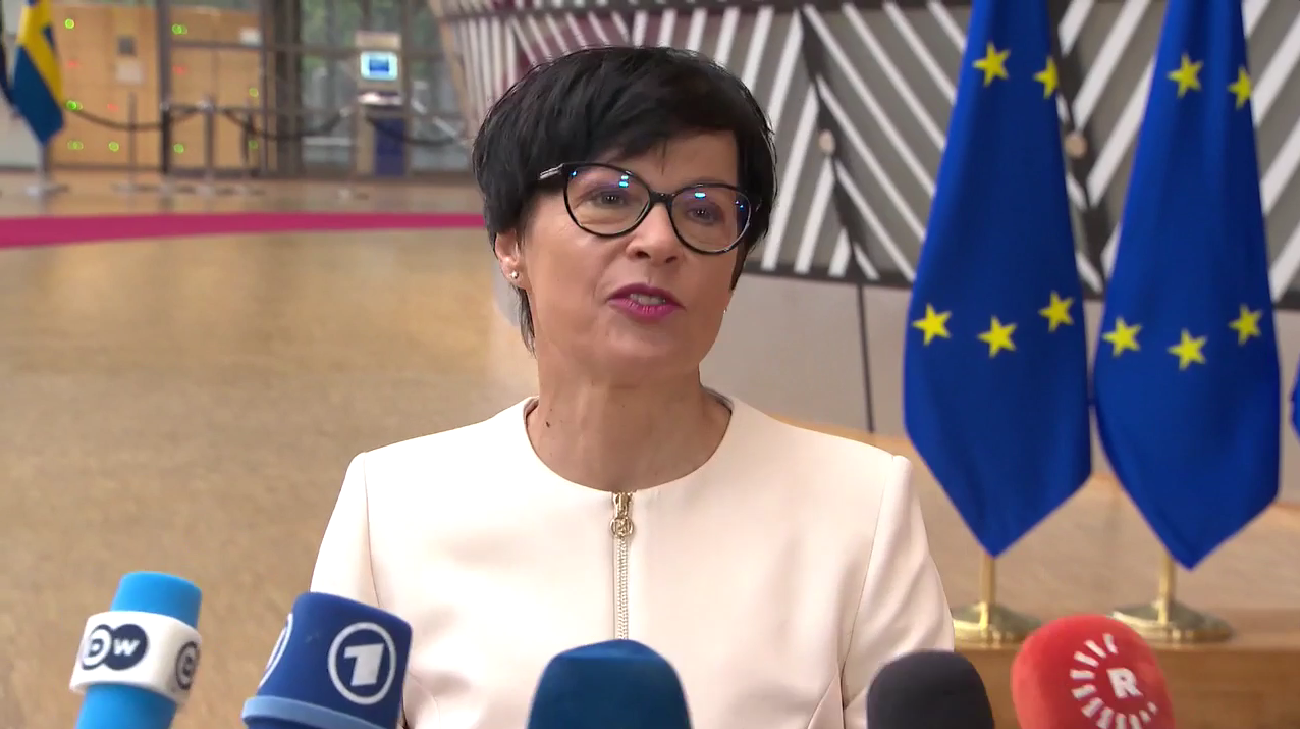
Estonian Foreign Ministry spokeswoman Brita Kikas, in a statement to Estonian national broadcaster ERR, highlighted the difficulties arising from the protest by Polish road hauliers. While respecting their right to rally, she expressed concern about the broader implications, stating, “For our part, we are raising this issue with Poland and hope that a solution will be found soon.”
Poland’s Perspective: Unfair Competition from Ukraine:
Poland contends that the conflict stems from what it perceives as unfair competition on the part of Ukrainian carriers. Rafał Weber, deputy head of the Polish Ministry of Infrastructure, acknowledged the government’s efforts to end the border blockade but pointed to challenges. He outlined a significant disparity in border crossings, with 90 trips made by Ukrainian companies for every 10 by Polish counterparts, attributing this shift to unfair competition methods on the Ukrainian side.
Weber asserted, “We are not against continuing to support Ukraine, but we cannot allow any aid to come at the expense of Polish companies, in this case, Polish road hauliers.”
Proposed Joint Committee and EU Response:
In response to the ongoing crisis, Poland has proposed the creation of a Joint Committee to address issues related to “transport visa-free travel.” This proposal seeks a review of the EU-Ukraine road transport agreement within the framework of the committee.
The EU Transport Council meeting witnessed support for Poland’s demands from Hungary, Slovakia, and Croatia, with Bulgaria also noting violations by Ukrainian haulage companies. However, Lithuania, Latvia, Estonia, Sweden, Denmark, and the Netherlands expressed disagreement with the cancellation of visa-free permits for Ukrainians.
Rafał Weber expressed appreciation for the support and emphasized the need to address the financial and legal burden on Ukrainian carriers engaged in what Poland sees as unfair competition.
European Commissioner’s Stance:
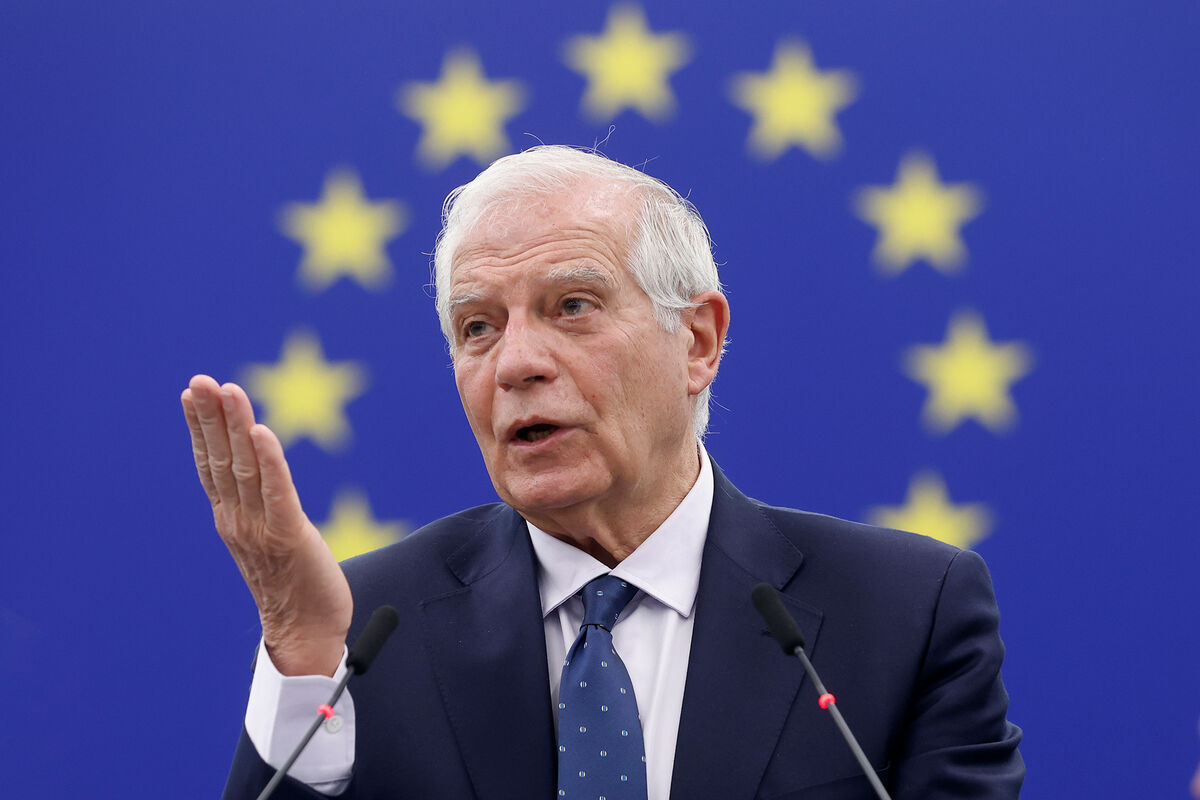
European Commissioner for Transport Adina Velian delivered a stern rebuke against the Polish government’s approach to the ongoing conflict at the Polish-Ukrainian border. Speaking at a press conference following a meeting, Velian accused Poland of an unwillingness to resolve the situation, labeling the exchange between the European Commission and Ukraine as “unfair ping-pong.” She expressed determination to defend the existing agreement, emphasizing its benefits for both the European market and Ukraine and Moldova.
Velian supported Poland’s proposal to establish a committee but insisted on addressing the critical border situation first. Notably, she hinted at the futility of discussing the matter with the current government, anticipating upcoming elections. Velian expressed readiness to collaborate with the next government to expedite a resolution.
Tusk’s Critique and Anticipation of Change in Governments:
The issue has sparked a significant anti-Polish campaign in Ukrainian media, anticipating a change in the Ukrainian government. Former Prime Minister Donald Tusk, likely to assume office soon, criticized Prime Minister Mateusz Morawiecki and PiS party leader Jaroslaw Kaczynski. Tusk accused them of playing the “Ukrainian card” in an amateurish and cynical manner, endangering Polish-Ukrainian relations.
Tusk lamented the government’s shifting stance from initially being pro-Ukrainian to adopting an anti-Ukrainian position, emphasizing their disregard for Polish interests. With Morawiecki’s government facing a vote of confidence on December 11, the situation remains tense. NEWSROOM IN notes the impending change in leadership and closely monitors the developments.
Polish Hauliers’ Demands:
➤ Cancellation of Ukrainian Privileges: Polish hauliers demand the annulment of privileges for Ukrainian carriers, advocating a return to the previous permit system.
➤ Strengthening Rules for Foreign Hauliers: They call for reinforced regulations for foreign hauliers on ECMT (European Conference of Ministers of Transport).
➤ Financial Criteria for Companies in Poland: Polish hauliers insist that companies must be financially sound within the EU to register in Poland.
➤ Creation of Separate E-Queue: They seek the establishment of a separate electronic queue for cars with European number plates.
➤ Separate Queue for Empty Vans: Polish hauliers demand a separate queue at all borders for empty vans.
➤ Access to the Shlyakh System: Finally, they request access to the Shlyakh system.
NEWSROOM IN continues to closely follow the situation for further updates.