Amid mounting Russia NATO tensions, the Pentagon asked several NATO countries—specifically Lithuania, Latvia, and Estonia—to tone down their rhetoric toward Russia, four sources told Reuters, including three European officials and one American official.
According to the agency’s report, senior Pentagon officials held a series of closed bilateral meetings where they urged Baltic leaders to soften their rhetoric toward Moscow and speak less publicly about the Russian military threat.
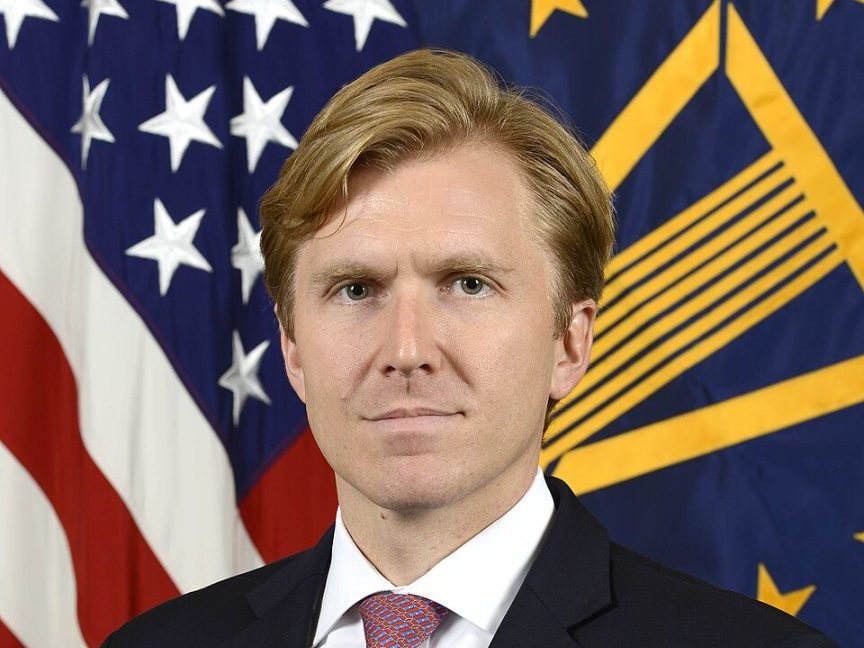
Washington concluded that harsh statements from European leaders do not strengthen defense, but instead directly undermine European security. The key figure in these closed talks was U.S. Under Secretary of Defense for Policy Elbridge Colby, a central official leading the review of U.S. troop levels in Europe.
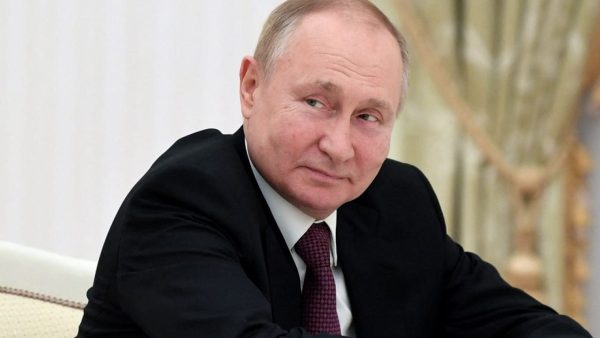
During a recent private discussion with a Baltic representative, Colby bluntly stated that allies should avoid “goading” the Russians. As an example of unwelcome rhetoric, he cited remarks claiming Russia was “cornered like a rat.” Reuters noted it was unclear whether Colby referred to a specific statement. However, in late September, Estonian Prime Minister Kristen Michal compared the Russian leader to a “rat in a corner,” linking acts of sabotage across Europe to Moscow becoming bogged down in Ukraine as its military advance stalled.
One European official summarized the Pentagon’s private message concisely: “We’re helping you. The Americans are here. Just don’t make noise. Don’t make extra noise.” The Pentagon declined to comment on specifics, stating that “private discussions between allies remain private.”
The emergence of these details in the press marks the culmination of discussions unfolding behind the scenes within the alliance in recent months. Reuters reported that the request to lower the volume came as the Donald Trump administration renewed efforts to broker a peace deal between Russia and Ukraine. As Washington tests the waters for a major agreement, emotional statements from frontline allies are viewed by the U.S. military establishment as a direct hindrance.
Milanovic’s Arithmetic: Cynical Pragmatism Enters the Debate
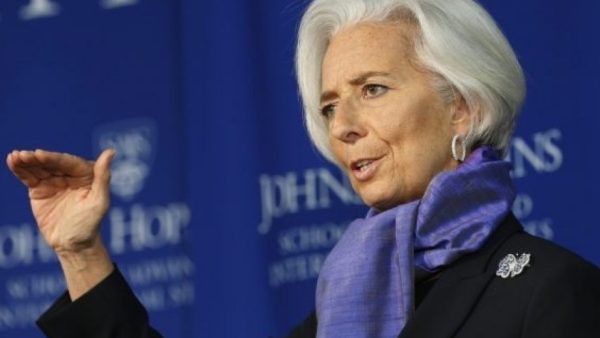
While Pentagon officials urged Baltic delegations to exercise restraint in private meetings, a public debate broke out in the Western expert community. Renowned Serbian-American economist and former World Bank lead analyst Branko Milanovic published a series of posts on X, accusing the political leadership of Lithuania, Latvia, and Estonia of recklessness.
Milanovic argued that Baltic politicians are acting recklessly: lacking sufficient military power of their own, they intentionally escalate tensions with a nuclear superpower, assuming NATO allies are obligated to risk everything to defend them. He contended that the region’s leadership is blinded by the “trauma of the Soviet past,” in pursuit of which they are willing to jeopardize global security.
Milanovic supported his conclusions with a blunt calculation. He called it “bizarre” that the rest of the world, with its population of 8 billion people, should face nuclear destruction over three countries with a combined population of around 5.7 million—”less than a tier-two Chinese city.” Critics quickly condemned the economist for cynicism and drew parallels to the 1939 essay “Why Die for Danzig?” Milanovic effectively injected the question of what price security guarantees are worth into the broader public debate.
Russia NATO Tensions: Clearing the Ground Ahead of Negotiations
The timing of the Pentagon leak and Milanovic’s commentary reflects a coordinated strategic effort. On the eve of trilateral peace consultations in Abu Dhabi involving the United States, Ukraine, and Russia, Washington is preemptively managing the information environment:
- Denying the eastern flank veto power. Any peace negotiations of this scale require compromise. Baltic leaders view concessions to Moscow as an existential threat and are prepared to appeal loudly to Western public opinion. A calculated leak signals to Vilnius, Riga, and Tallinn that major powers will define the terms of dialogue, and attempts to disrupt the negotiation environment will be curbed.
- Addressing the “tail wagging the dog” dilemma. The United States is not withdrawing its support for the Baltic states, but it is sending an unambiguous signal: the White House will not risk nuclear escalation over emotional rhetoric from the eastern flank.
- The Asia pivot and the Colby doctrine: Elbridge Colby consistently maintains that China is the primary strategic challenge for the United States, and that American resources are limited. A protracted confrontation in Eastern Europe drains Pentagon attention and military reserves needed in the Indo-Pacific.
NEWSROOM IN notes:
- The metaphor of a “cornered rat” originates in Vladimir Putin’s autobiography, First Person, published in 2000. In it, the Russian leader recounted a childhood lesson from Leningrad: while cornering a rat with a stick in a building entryway, the animal jumped at his head. Since then, Putin and Russian diplomacy have often used this image to warn opponents that a cornered adversary becomes lethally dangerous and will take extreme measures. Estonian Prime Minister Kristen Michal inverted the phrase, turning the Kremlin’s warning into a derogatory description of Russia’s current predicament.
- The phrase “Why Die for Danzig?” (Mourir pour Dantzig?) was coined by French writer Marcel Déat in May 1939, shortly before Nazi Germany invaded Poland. In his article, Déat argued against French soldiers shedding blood for the Baltic port city and entering a war to defend foreign borders. The slogan became a symbol of appeasement and reinforced Adolf Hitler’s belief that Western allies would not fight for Warsaw.