Photo: Prezydent Nawrocki
Poland Independence Day: Celebration of Sovereignty
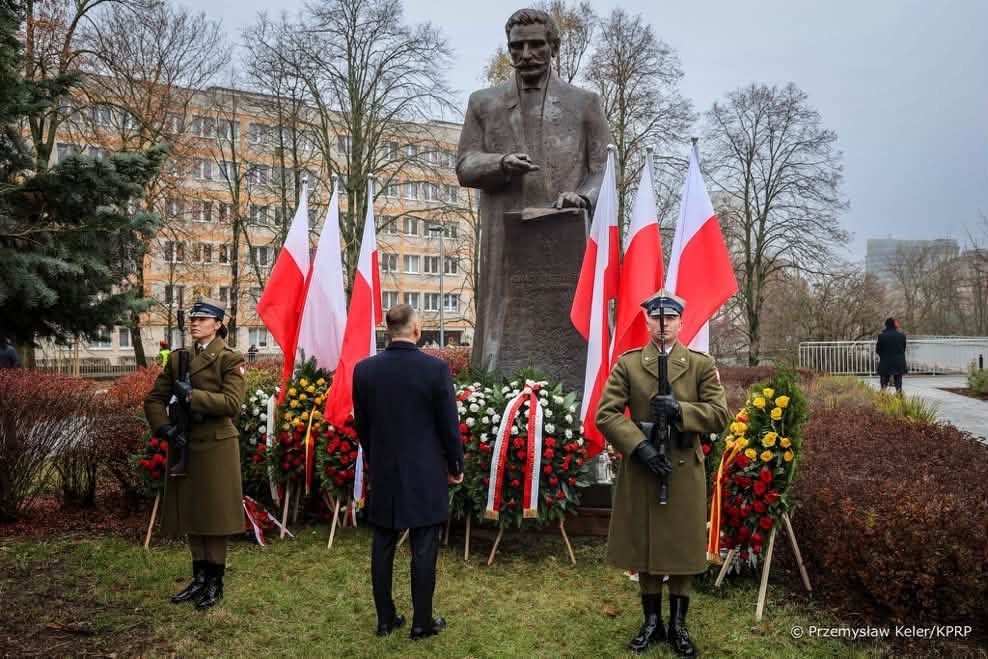
Photo: Prezydent Nawrocki
On Poland Independence Day, November 11, 2026, the nation marked the 108th anniversary of the restoration of its statehood with nationwide ceremonies. Official observances took place in Warsaw, featuring wreath-laying ceremonies and the large-scale Independence March. Polish President Karol Nawrocki and his entire administration joined the gathering at Marshal Józef Piłsudski Square.
The Long Road to Independence
The restoration of independence in 1918 followed 123 years during which Poland was erased from the political map of Europe after partitions by the Russian Empire, Prussia, and Austria-Hungary. The right to observe the holiday had to be defended again in 1945, when communist authorities abolished the commemoration. In 1989, the date was officially restored to the national calendar as the primary symbol of Polish independence and resilience.
A Symbolic Date and Prison Past
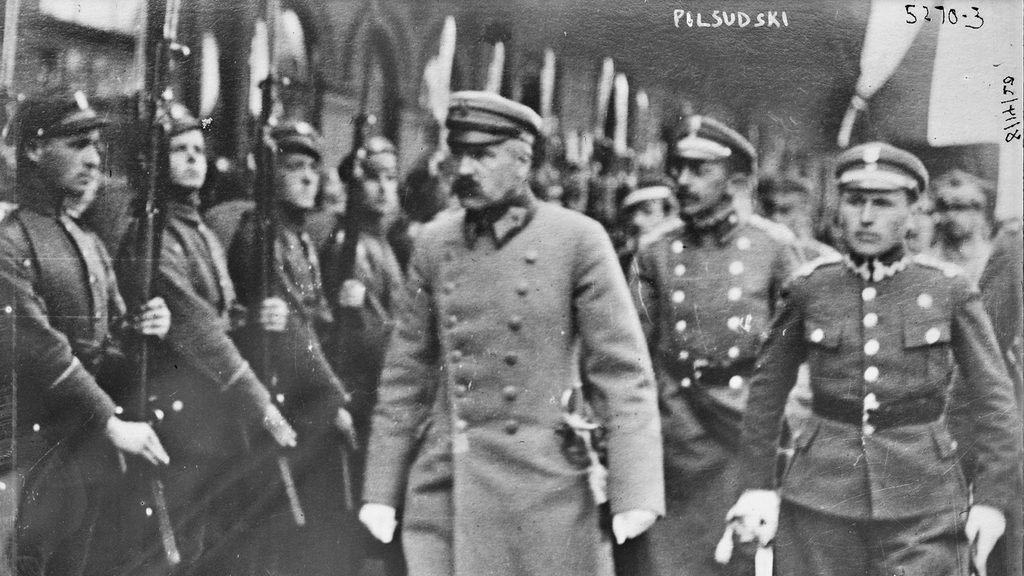
The choice of November 11 is largely symbolic. On October 7, 1918, the Regency Council (the provisional Polish government) declared the country’s sovereignty. The celebration date was set to coincide with the end of World War I and the transfer of supreme military command to Józef Piłsudski. The future national leader was released on November 10, 1918, from Germany’s Magdeburg fortress, where he had been interned for refusing to fight for Germany. Piłsudski arrived in Warsaw on November 11, assuming control of the military, and received full state authority from the Regency Council on November 14.
November 11 did not immediately receive official status as a national holiday. For years it remained a military observance, until the Sejm established it as a national day off in April 1937. Due to the outbreak of World War II, Poles were able to celebrate the holiday at the state level only twice. Protracted fighting over the country’s borders meant the first full-scale independence parade was delayed until November 14, 1920, when Piłsudski was formally presented with the Marshal’s baton.
Certified Pastries and a Living Flag
Today, official state protocol is paired with local traditions. In the Catholic calendar, November 11 is St. Martin’s Day, the patron saint of Poznań. Across the country, the primary festive treat is the St. Martin’s croissant, made from puff pastry with white poppy seeds and protected under European Union certification. Roast goose is also traditionally served on this day. According to an old folk belief, the color of the bird’s breastbone foretells whether the coming winter will be frosty or slushy.
Sporting events also play a key role in the celebrations. Ten-kilometer Independence Runs take place in Warsaw, Poznań, and other cities. Thousands of runners line up at the start in red and white shirts, forming a massive human Polish flag.
The 2026 March: “The Pole Is Master in Poland”
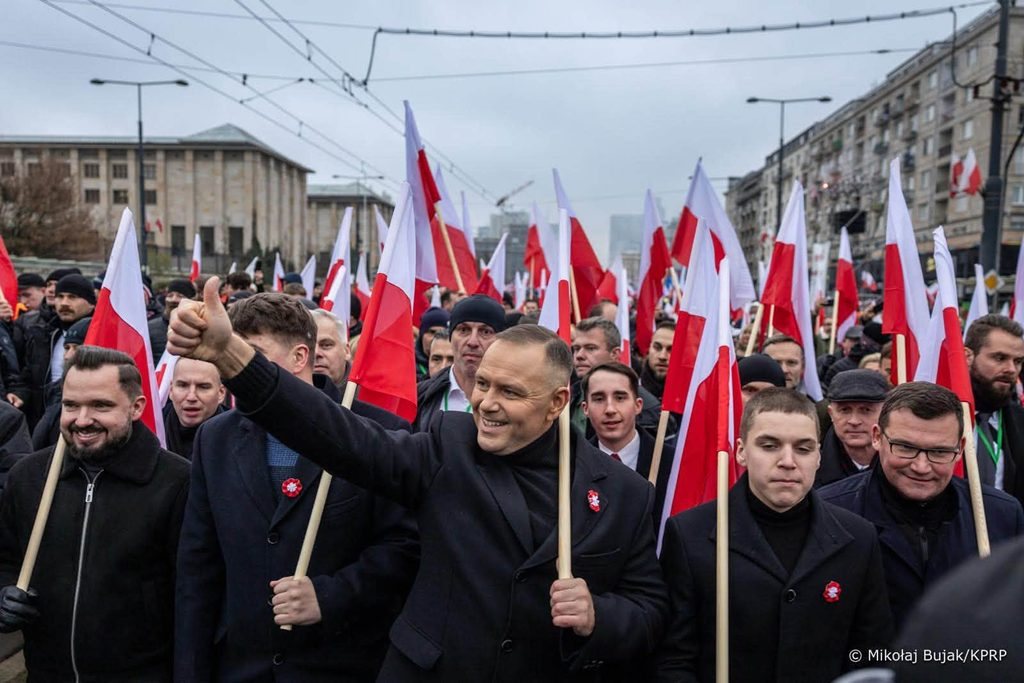
The Warsaw Independence March served as the focal point of the celebrations. City hall estimated attendance at around 250,000 people, while organizers claimed half a million. Held under the slogan “The Pole Is Master in Poland,” the demonstration had a pronounced political tone, with participants defending sovereignty and criticizing European Union leadership, mass immigration, and the policies of Prime Minister Donald Tusk.
President Karol Nawrocki walked in the front ranks carrying the red-and-white flag alongside his son and senior administration officials, leaving the procession at the Poniatowski Bridge. Right-wing political leaders and Constitutional Tribunal President Bogdan Święczkowski, who has been at the center of an ongoing political dispute over his suspension, also took part. Meanwhile, Donald Tusk attended observances in Szczecin, calling on citizens for restraint and national unity.
Heavy Security and Red Flares
The march took place under tight security measures. Just four days before the holiday, on November 7, an armed attacker opened fire on the Main Market Square in Kraków, killing six people. The Ministry of the Interior deployed additional police forces to Warsaw, blocked access points to the gathering site with concrete barriers, and enforced a ban on drones and weapons. Order along the route was maintained by 1,000 volunteer march stewards and 200 medical workers.
Despite an official ban on pyrotechnics issued by Warsaw Mayor Rafał Trzaskowski, participants lit thousands of red and white flares and smoke bombs. Police and municipal authorities confirmed that the march from the Dmowski Roundabout to the National Stadium concluded peacefully without major incidents.