The U.S. Supreme Court has ruled that President Donald Trump exceeded his constitutional authority regarding Trump tariffs by imposing sweeping import tariffs under a law intended for national emergencies. The 6-3 decision calls into question the legality of the administration’s trade policy over the past year and opens the door for lawsuits seeking the return of a record $150 billion in collected duties.
Supreme Court Ruling: IEEPA and Trump Tariffs
The legal battle centered on the International Emergency Economic Powers Act (IEEPA) of 1977. Historically, presidents have used this law to freeze assets or impose sanctions on specific countries or entities in response to foreign threats.
The Supreme Court justices concluded that the law’s language allowing the president to “regulate” trade does not grant the authority to impose import duties, or tariffs.
“This statute does not empower the president to impose duties,” the court’s opinion stated.
Trump first invoked IEEPA in February 2025 to tax goods from China, Mexico, and Canada, citing an emergency related to illegal drug trafficking. In April, he expanded the scope of the law, imposing tariffs ranging from 10% to 50% on goods from nearly every country in the world, declaring the U.S. trade deficit itself an emergency threat.
Trump’s Reaction: Anger and Defiance
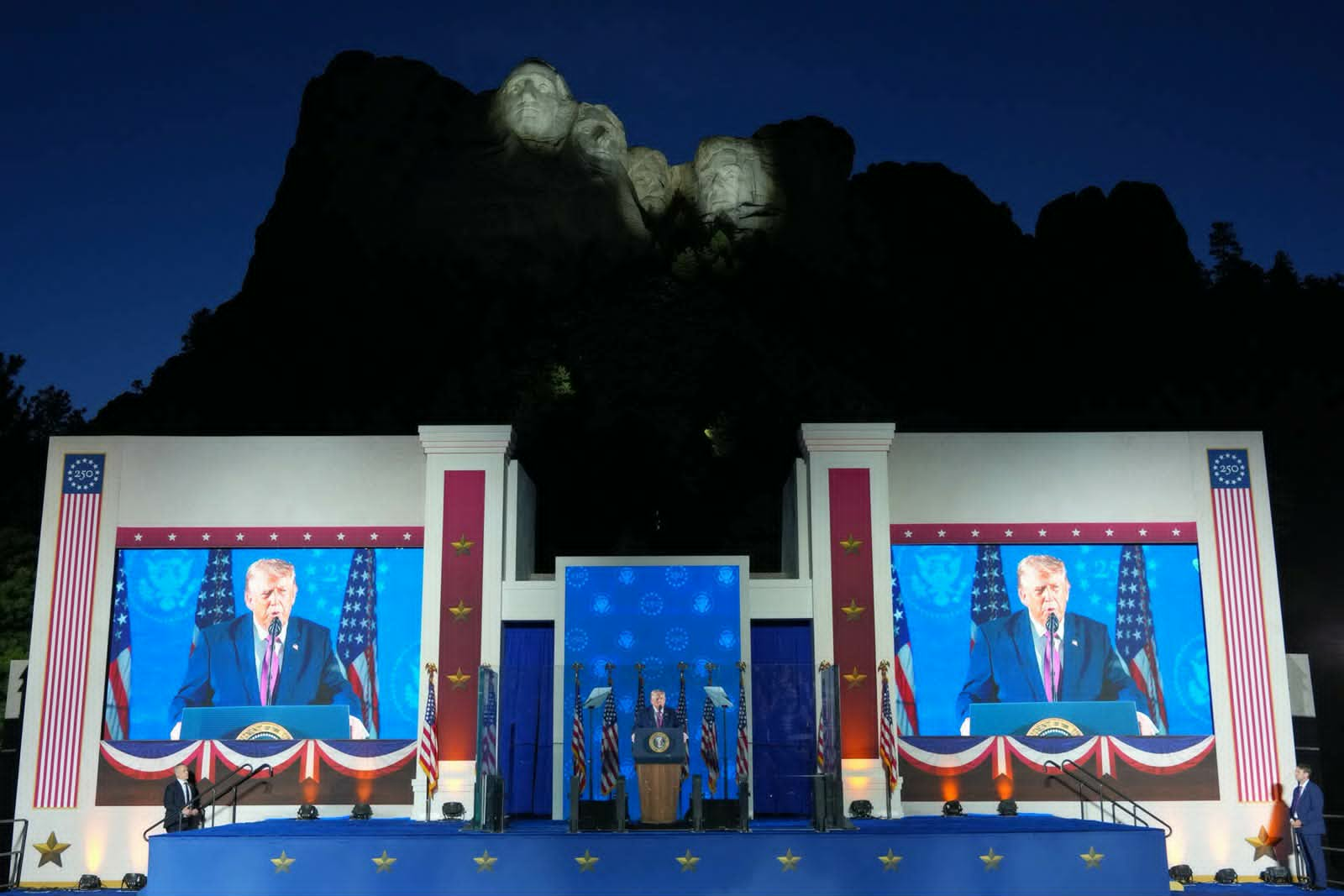
Just hours after the verdict was announced, Trump called an emergency press conference. His speech was emotional and took an unexpected tone: rather than conceding defeat, the president characterized the court’s decision as a victory.
Key statements from Trump:
- Attack on “his” justices: Trump was particularly incensed by Justices Amy Coney Barrett and Neil Gorsuch—conservatives he appointed during his first term who voted against him. “Surprised,” Trump replied when asked if he expected the outcome. “I think it’s a disgrace to their families, if you want to know the truth, for the two of them.” He also labeled the justices who voted against the tariffs “bad Republicans” and accused the court of being influenced by “foreign interests.”
- Reframing the defeat: Despite the loss, Trump presented the situation as if the court had actually expanded his powers. “Today’s Supreme Court decision made the president’s authority to regulate trade and impose tariffs more powerful and clearer, not the other way around,” he claimed.
- New tariffs under new rules: During the press conference, Trump immediately announced a new executive order. He intends to implement a 10% global supplemental tariff, but this time based on Section 122 of the Trade Act of 1974. This tool allows the president to impose duties of up to 15% for up to 150 days without Congressional approval. In effect, Trump has identified a legal loophole to restore trade barriers immediately.
Impact on U.S. Business and the Economy
The Supreme Court’s decision creates legal uncertainty and poses risks to the federal budget.
While the court struck down the tariffs themselves, it did not rule on the fate of the money already collected. Trump indicated that the administration has no plans to return the funds voluntarily. However, American companies can now file mass lawsuits in lower courts to demand refunds for the duties paid. The total amount of potential payouts is estimated at nearly $150 billion.
“In the end, we’ll spend five years in court,” Trump remarked philosophically, anticipating a long legal battle.
It is important to note that the Supreme Court’s ruling does not cancel industry-specific tariffs on steel, aluminum, timber, and automobiles. Those were introduced under Section 232 of the Trade Expansion Act of 1962, which relies on national security justifications rather than the emergency powers of IEEPA.
The Fate of the EU-U.S. Trade Agreement
The ruling could directly impact the fate of the yet-to-be-signed trade agreement between the U.S. and the EU. Because part of the deal relied on executive flexibility regarding tariffs, the Trump administration may now need to seek Congressional approval or find new legal grounds to fulfill its commitments. This adds legal uncertainty and could delay ratification, which the European Parliament has already been viewing with caution following the “Greenland” conflict.
The European Commission has reportedly reached out to the White House for clarification. “We remain in close contact with the U.S. administration to understand what steps they intend to take in response to this decision,” European Commission spokesperson Olof Gill said on Friday.
Future Legal Challenges for Trump Tariffs
The case is unique not just legally, but politically. Trump publicly lambasted judges who are ideological allies and his own appointees. This may signal a deep rift within the conservative movement between traditional institutionalists on the bench and Trump loyalists who prioritize the president’s agenda over judicial norms.