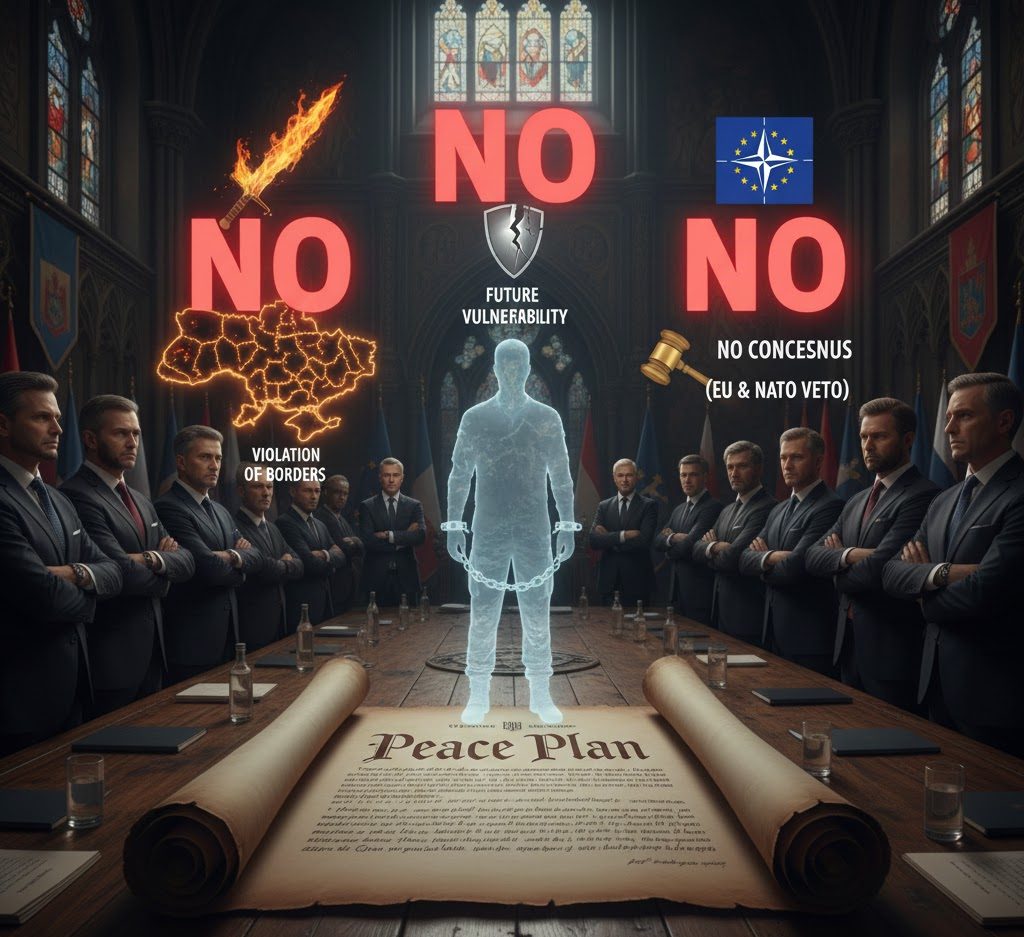
Diplomatic negotiations are a strategic game, where every word, pause, and gesture can
shift the balance of power. In high-stakes discussions, leaders do not simply “talk”
—they negotiate, maneuver, and position themselves to achieve optimal outcomes. One of the
fundamental tools in this process is the use of an interpreter, even when both parties speak
the same language.
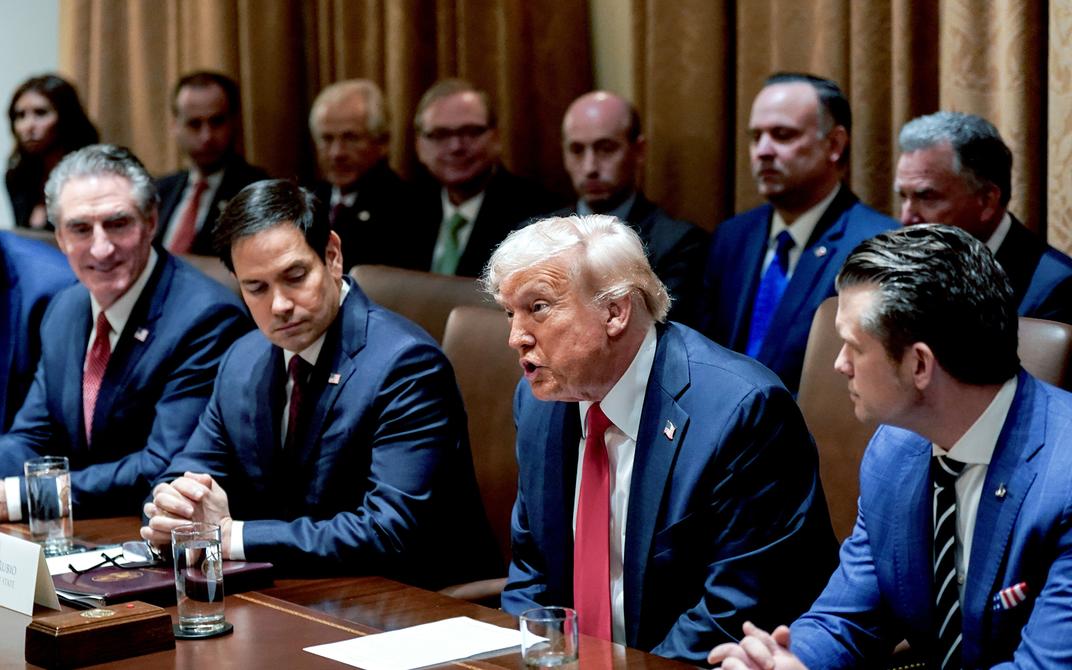
Ukrainian President Volodymyr Zelensky’s decision to engage directly in English without an
interpreter during his White House meeting with Donald Trump was a crucial miscalculation.
It not only weakened his ability to control the conversation but also played into Trump’s
hands, contributing to the abrupt and unsuccessful conclusion of the meeting.

The Role of an Interpreter in Diplomatic Talks
Even fluent speakers frequently rely on interpreters in sensitive discussions. The presence
of an intermediary is not just about linguistic accuracy, but about diplomatic strategy. Here’s
why:
A Strategic Pause for Thought
☛ The interpretation process creates a natural pause, allowing leaders to
carefully craft their responses instead of reacting impulsively.
☛ These few extra seconds can be the difference between a firm but measured
response and an emotional misstep.
Avoiding Misinterpretations
☛ Even minor linguistic nuances or phrasing errors can shift the meaning of a
statement.
☛ Diplomatic language is filled with subtext, where even a slightly misworded
sentence can create misunderstandings or unintended diplomatic signals.
Managing Emotional Tone
☛ A professional interpreter can act as a buffer, softening the delivery of difficult
messages and preventing unnecessary escalation.
☛ Direct exchanges often escalate tension, while translation allows more neutral
phrasing to defuse potential conflicts.
Ensuring Clarity in Fast-Paced Exchanges
☛ Native English speakers—especially someone like Donald Trump, who
speaks in rapid, informal, and often unpredictable ways—can make it easy to misinterpret
intent or tone.
☛ Without an interpreter, the pressure to process and respond instantly
increases the risk of miscommunication
Zelensky’s Costly Error in the White House Meeting
By opting to speak English directly, Zelensky eliminated the diplomatic buffer that an
interpreter would have provided. This had several damaging consequences.
His emotional tone became sharper, leading to moments of perceived disrespect or confrontation,
especially when raising his voice at Trump and clashing with Vice President J.D. Vance.
Without an interpreter to soften his phrasing, his rejection of a ceasefire sounded like a direct
challenge to Trump’s authority, rather than a negotiation stance. Trump controlled the
pace of the conversation, forcing Zelensky to respond instantly rather than strategically,
making it harder to maneuver within the discussion.
The Consequences of This Tactical Miscalculation
Had Zelensky used an interpreter, he could have: Bought himself time to adjust his tone and
align his messaging more carefully with Trump’s expectations. Filtered his responses,
ensuring they were diplomatically polished rather than emotionally charged. Maintained
control over the pace of the conversation, preventing Trump from cornering him into quick,
potentially damaging responses.
Instead, the direct, fast-paced exchange escalated tensions, contributing to the abrupt and
unsuccessful outcome of the meeting.
Lessons for Future Diplomatic
Engagements Diplomacy is not just about what is said, but how it is said, when it is said, and under what
conditions. Leaders often underestimate the strategic role of interpretation, assuming it is
merely a linguistic tool rather than a diplomatic asset.
Zelensky’s command of English is not in question—but his choice to forgo an interpreter was
a tactical miscalculation. In a high-pressure setting, giving an adversary complete control
over the pace and tone of a discussion is a serious disadvantage.
For Ukraine and other nations navigating complex diplomatic negotiations, this serves as an
important reminder: Language is not just communication—it is power. And in power
dynamics, even a brief pause can be a strategic advantage.