As someone who had the opportunity to attend campaign rallies for both Donald Trump and Kamala Harris in the lead-up to the 2024 U.S. presidential election, I witnessed firsthand the differences in tone, message, and energy between the two campaigns. The results of this election reflect not just a choice between candidates but a profound decision on the direction of the nation in a time of global and domestic uncertainty.
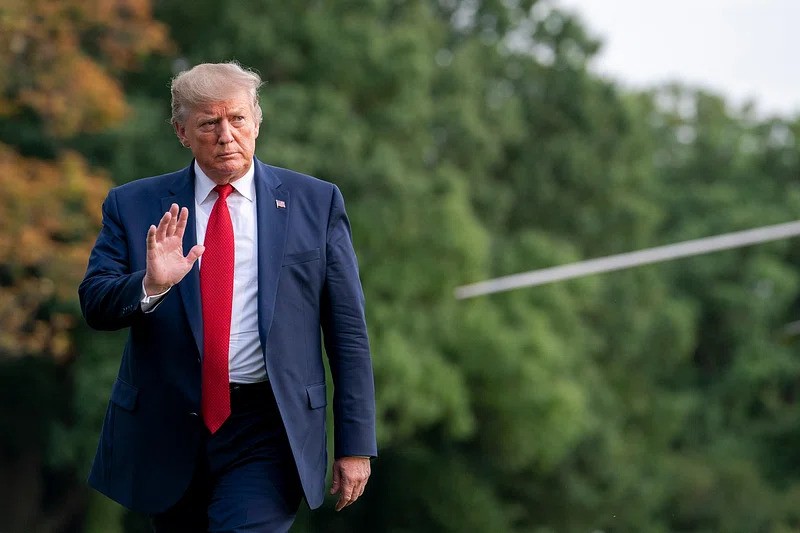
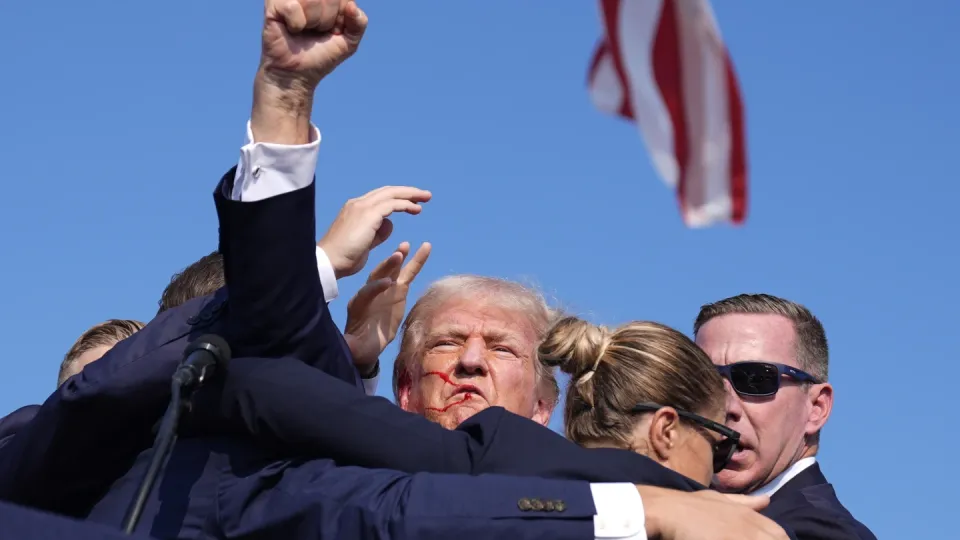
Attending Trump’s rally in Mosinee, Wisconsin, on September 7, and later in Wilmington, North Carolina, on September 21, I observed a movement driven by strong emotions, nostalgia, and, undeniably, frustration. The rhetoric in these rallies was steeped in themes of reclaiming a vision of America that many in the audience felt had been lost. Trump’s focus remained largely on the economy, border security, and traditional American values. In both Wisconsin and North Carolina, he painted a picture of a country under siege by forces he described as eroding its core principles—positions which resonated strongly with his supporters.

In contrast, Kamala Harris’s rallies felt very different in their focus and tone. At her September 29 rally in Las Vegas, she centered her message around unity and inclusivity, aiming to address voters who felt marginalized. When I returned for a second event with Harris on October 31, also in Vegas, the stakes felt higher, with her addressing rising concerns about climate change, healthcare access, and economic opportunity for the middle class. Finally, the “When We Vote We Win” rally in Philadelphia on November 4 was a high-energy gathering at the iconic Eakins Oval, where Harris’s message underscored a future-oriented vision centered on cooperation, social equality, and engagement with global partners.
Both campaigns revealed distinct understandings of what it means to be American today. Trump’s rallies portrayed a nation needing to “return” to a stronger, more self-sufficient era. Harris, on the other hand, presented a narrative of progress and adaptation, calling on the American spirit to face the future with open-mindedness and resolve. This dichotomy illustrated a deeper split in American society—one looking backward to recapture certain ideals, and the other striving to build a new, more inclusive version of the American dream.
Ultimately, the election results reflected the American people’s desire for stability, both in terms of tradition and progress. Whether the choice of candidate leaned toward preserving past values or advancing new ones, it signaled that Americans are aware of the challenges before them and are seeking leaders who can bring them together to meet those challenges head-on. My personal journey through these rallies allowed me to see the powerful emotions driving voters on both sides. It reminded me that, while political divides may seem entrenched, the desire to create a better future—each in its own way—remains at the heart of the American experience.