The outbreak of the Iranian war has predictably triggered a surge in gas prices and oil prices, though global markets have so far avoided a full-scale panic. State-owned QatarEnergy announced a total suspension of liquefied natural gas (LNG) production following military strikes on its infrastructure. While Europe—which had pivoted to Doha to replace Russian fuel—now faces significant supply disruptions, a global market collapse or a catastrophic “black swan” event has not materialized, as markets appeared braced for a Middle Eastern crisis.
Gas Prices Impacted by Strike on Qatar
According to CNN, citing the Qatari Ministry of Defense, the nation’s industrial sector came under direct attack. Official data indicates that two Iranian drones struck critical infrastructure. The first drone hit a water reservoir at a major power plant, while the second targeted a QatarEnergy industrial facility.
In response to the attacks, all technical operations were halted at the country’s primary industrial hubs, Ras Laffan and Mesaieed. In a brief press release, QatarEnergy stated: “Due to military attacks, the company has ceased production of LNG and related products.”
Hormuz Strait Blocked: Global Logistics Suspended
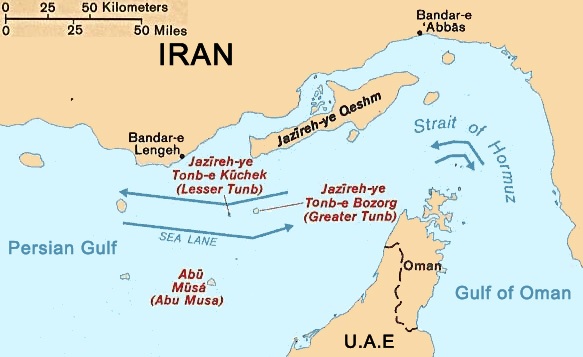
The situation is further complicated by the fact that military actions have led to a functional halt in shipping through the Strait of Hormuz. This narrow waterway serves as the primary bottleneck for the global energy market, with approximately one-third of all global LNG shipments passing through it.
This development could prove particularly painful for Europe. Qatar is one of the world’s top three LNG exporters, alongside the U.S. and Australia, controlling roughly 20% of the global market. Doha became the European Union’s vital lifeline following the decision to completely phase out Russian gas by 2027.
As recently as late January 2026, the EU had waived additional inspections for Qatari gas, designating it as a highly reliable source. However, the war in the Middle East has now upended those strategic plans.
Record Gas Price Growth in Europe
Although Europe secures substantial LNG volumes from the United States, the blockage of Qatari supplies triggered a shock on the exchanges. According to Bloomberg, the jump in prices was the most significant since August 2023. On Monday morning, Dutch TTF gas futures—the main European benchmark—soared by 27.5%, reaching €40.8 per megawatt-hour. By midday, the market corrected slightly to €39.2/MWh (approximately $484 per 1,000 cubic meters), closing with a total increase of 22.5%.
Oil Rally: Consequences for the Black Gold Market
Despite the sharp rise in quotes, a total market apocalypse has not yet occurred. While the spike in European gas prices is a painful blow, it has not caused the system to collapse. There are several pragmatic reasons for this resilience:
- Betting on a “Quick War”: Investors are currently viewing the coalition’s opening operations as successful. Following the elimination of senior Iranian leadership, markets are betting that the conflict will not evolve into a multi-year war of attrition and that the U.S. Navy will soon reopen the Strait of Hormuz.
- Seasonal Factors: It is currently the beginning of March. Europe has effectively navigated the peak heating season, and underground gas storage facilities remain at comfortable levels. Europe will not freeze tomorrow, giving the market time to adapt before next winter.
- Risk Was Already “Priced In”: The Middle East has been on the brink of a major war for the past year. Major players have long factored this possibility into long-term contracts. The current price hike represents the realization of an expected scenario rather than a sudden “black swan.”